Serving Warrenton, Fauquier County and Surrounding Areas

Author: Zackary Michael

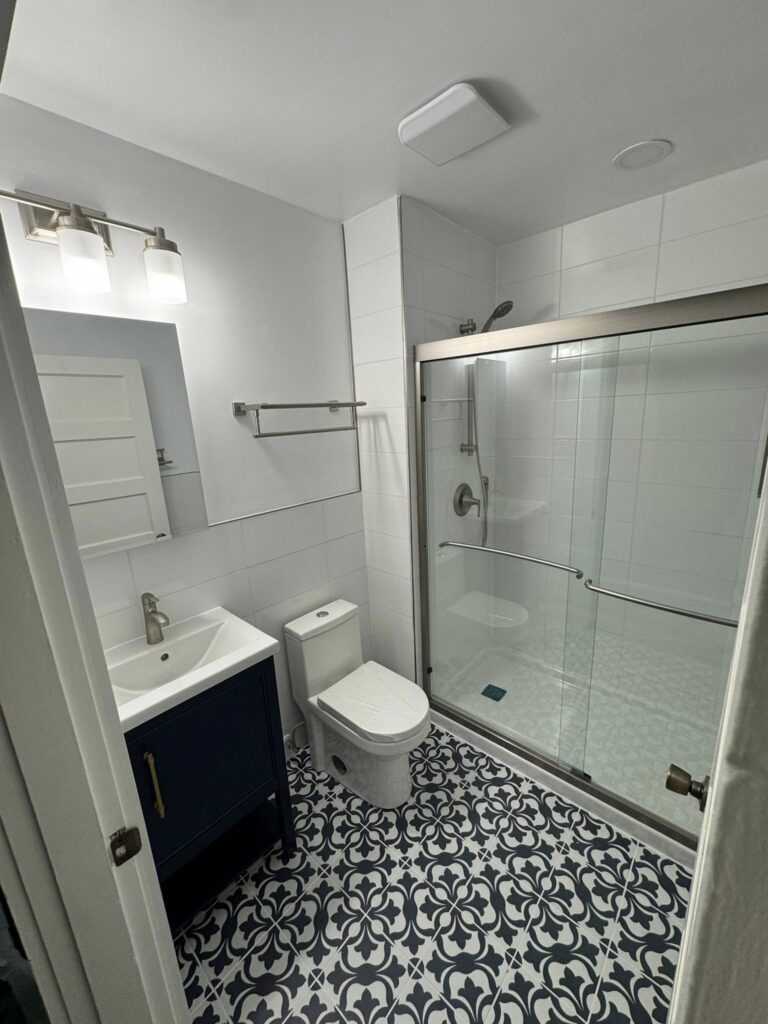
Planning a Bathroom Remodel in Warrenton, VA: Where to Start

Bathrooms are the hardest working rooms in a Warrenton home, and they show their age faster than any other space. Grout darkens, vanities date themselves, and the tub you never use keeps taking up a quarter of the floor plan while everyone fights over one sink.

A bathroom remodel fixes all of that, but only when the planning happens before the demolition. Bathrooms pack more trades per square foot than any room in the house, which means small planning gaps turn into big mid project surprises. Here is how to start right.

How do you plan a bathroom remodel?

Start by defining the problems the bathroom fails to solve, then choose your scope: a cosmetic refresh, a full remodel within the existing layout, or a reconfiguration that moves fixtures. From there, finalize every design decision and material before demolition, expect permits for plumbing and electrical changes, and plan for roughly two to five weeks of construction on a full remodel.

The order matters more than the speed. Homeowners who lock decisions early get smooth projects, and homeowners who decide as they go get delays, change orders, and stress.
How do you plan a bathroom remodel?, Berry Good Builders

Define the job before you design the room

The best bathroom remodels begin with complaints, not Pinterest boards. No storage, one sink for two adults, a shower the size of a phone booth, a tub nobody has filled since 2019, or flooring that scares you when the kids splash. Write down what the room fails to do, because those failures become the design brief. A pretty bathroom that still has the same bottlenecks is an expensive disappointment.

Think in time horizons too. If this is your forever home in Fauquier County, features like a curbless shower, grab bar blocking hidden in the walls, and comfort height vanities quietly protect the years ahead. If you might sell within five years, lean toward finishes with broad appeal and keep at least one tub in the house, since family buyers still look for one. Your contractor should ask about all of this before sketching anything.

Choose your scope honestly

A cosmetic refresh keeps the layout and the plumbing where they are: new vanity, counters, lighting, mirrors, flooring, paint, and hardware. It is the fastest path to a dramatically better room. A full remodel takes the room to the studs but keeps fixtures in roughly the same locations, which is where most Warrenton projects land, because it renews everything, waterproofing included, without the expense of relocating plumbing.

A reconfiguration moves walls or fixtures: stealing space from a closet, converting a tub to a walk in shower, or splitting one cramped bathroom into a smarter layout. It is also the scope where budgets climb, since every relocated drain and vent line pulls plumbers deeper into the project. The honest question is whether your layout is actually broken or just tired. A good remodeler will tell you plainly, and sometimes the answer saves you five figures.

Choose your scope honestly, Berry Good Builders

Materials and moisture: decisions that age well

Bathrooms live in steam, so every material choice is a moisture choice. Porcelain tile, quartz counters, and quality vinyl plank handle daily humidity gracefully, while budget laminates and softwood details swell and peel within a few years. The unglamorous choices matter most: proper shower waterproofing behind the tile, a correctly sloped pan, and an exhaust fan actually sized for the room and vented outside, not into the attic. Those are the differences between a bathroom that looks good at year one and one that still works at year fifteen.

Order everything before demo day. Tile, vanities, tubs, shower glass, and specialty fixtures can carry lead times of several weeks, and a project that starts before materials arrive is a project that stalls with your bathroom in pieces. An experienced contractor builds the order list from the finished design, confirms every delivery, and only then schedules demolition. That single habit prevents most bathroom remodel horror stories.

Permits, timeline, and living through it

In Warrenton and greater Fauquier County, moving plumbing, adding circuits, or altering walls means permits and inspections, and that is a feature, not a hassle. Inspections verify the work hidden behind your new tile, which is exactly the work you cannot check later. A contractor who suggests skipping permits to save time is volunteering you for problems at resale. Plan on design and material selection taking several weeks, permits following, then two to five weeks of construction depending on scope.

Life during the project is manageable with a plan. If it is your only full bathroom, sequencing matters: a good crew keeps a working toilet and shower available as long as possible and warns you clearly about the days they cannot. Expect dust control, floor protection, and a daily cleanup standard in writing. Ask how the schedule handles inspection days and material delays, because how a contractor answers tells you how your month will actually go.

Bottom Line

A great bathroom remodel is planned twice, on paper first and in tile second. Define the problems, pick your scope honestly, choose materials that shrug off moisture, and let permits and lead times set a realistic calendar. Berry Good Builders remodels bathrooms across Warrenton and Fauquier County, and we are glad to walk your space, hear the complaints, and map the remodel before you commit to anything.

Related reading: our bathroom remodeling services

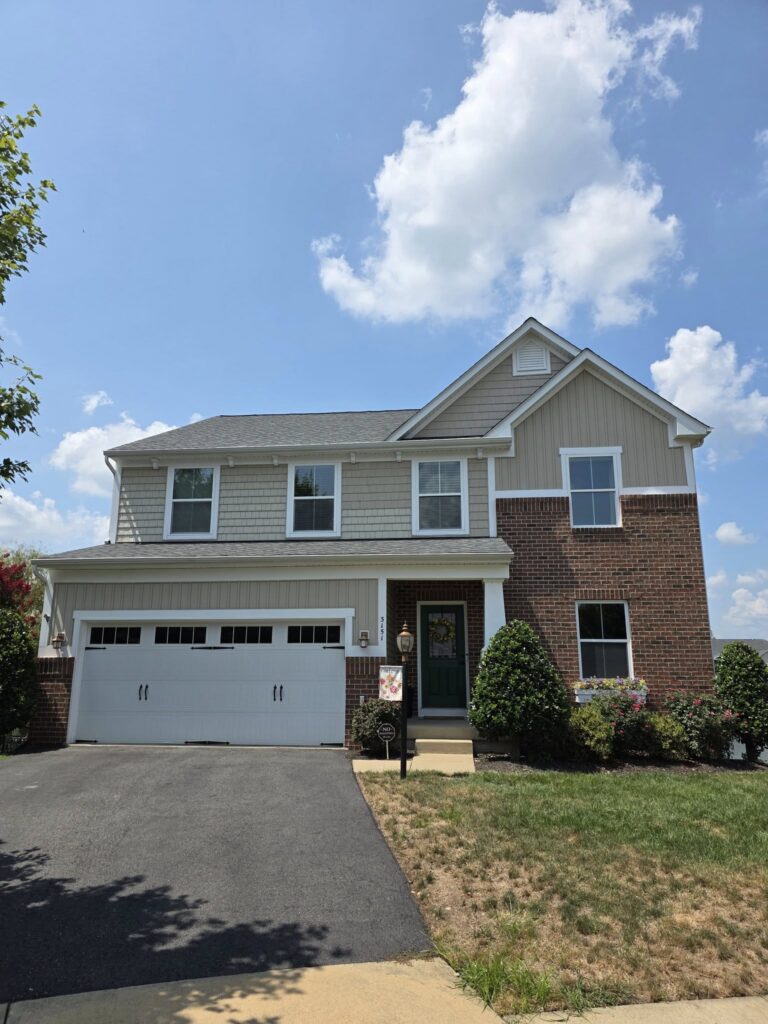
Roofing vs Siding: Which Exterior Project Comes First

Your roof is tired, your siding is faded, and the budget will not stretch to both this year. Every Warrenton homeowner in that spot asks the same question: which project goes first? It is one of the most common questions we hear on estimates across Fauquier County.

The order matters more than most people expect. Sequence it right and each project protects the other for decades. Sequence it wrong and your brand new siding gets scuffed and dented by a roofing crew six months later. Here is how to decide.

Should you replace the roof or the siding first?

Replace the roof first in most cases. Roofing work drops debris and requires ladders and foot traffic that can damage new siding, and components like drip edge, step flashing, and gutters integrate best when the roof is finished before siding goes on. The exception is active siding failure: if water is getting into your walls, stop that first.

Think of your house as a system that sheds water from the top down. Rebuilding it in that same order keeps every layer overlapping the one below it exactly the way the manufacturers intended. Get the order right and the flashing, housewrap, and trim all lap the way they were engineered to.

Should you replace the roof or the siding first?, Berry Good Builders

Why the roof usually wins

A roof replacement is a rough process for everything beneath it. Shingle tear off rains debris along every eave, crews work from ladders leaned against your walls, and gutters often come down and go back up during the job. Fresh siding in the middle of that environment is going to collect scars you paid too much to accept. Even careful crews cannot fully protect finished walls from a tear off happening directly above them.

The integration points matter even more than the traffic. Step flashing, where a roof slope meets a sidewall, is designed to tuck neatly behind the siding above it. Install the roof first and the siding crew laps everything correctly over the new flashing. Install siding first and the roofer has to fish flashing behind finished walls, which invites leaks, callbacks, and warranty arguments nobody wins. That one detail is why exterior pros sequence the roof before the walls.

When siding should jump the line

Siding goes first when it has already stopped keeping water out. Rotted panels, gaps opening around windows, mold inside exterior walls, or sheathing going soft mean moisture is actively damaging the structure. A cosmetic roof concern can wait a season. Water inside your walls cannot wait at all. A moisture meter reading during an estimate can confirm whether intrusion is active in a single visit.

Storm damage also rewrites the order. If wind or hail hit your siding and an insurance claim is covering replacement, the claim timeline drives the schedule. In that case, have your contractor protect the new siding during the later roof project and coordinate the flashing details between the two phases so nothing gets sealed up wrong. Photograph everything before storm repairs begin, since adjusters lean heavily on documentation.

When siding should jump the line, Berry Good Builders

The case for doing both at once

If the budget allows it, replacing roofing and siding in one coordinated project is the cleanest solution of all. You get one mobilization, one debris and dumpster plan, and one crew responsible for how every piece of flashing and trim ties together. When a single company owns the whole envelope, there is no finger pointing later if something leaks. Your warranties also live in one place, which future you will appreciate.

It is also a design opportunity. Choosing shingle and siding colors together gives the house one cohesive look instead of matching new siding to a fading roof. Combined projects often price better than two separate ones too, since setup and overhead costs get shared across the larger scope. Ask for the combined price and the phased price and compare them side by side.

Timing the work around Virginia weather

In the Warrenton area, roofing and siding install well most of the year, but each season has a personality. Spring brings storms and packed schedules, summer heat helps shingles seal down fast, and fall offers the steadiest installation weather of the whole year. Good contractors book those prime windows early.

Winter work is absolutely possible with the right products and precautions, and scheduling in the slower season can shorten your wait considerably. Whatever the month, a local contractor who watches Fauquier County weather windows will sequence tear off days so your home is never left exposed overnight.

Bottom Line

Roof first is the rule, siding first is the exception for active water damage, and both together is the best answer whenever the budget cooperates. The real key is one plan that treats your exterior as a single water shedding system instead of two disconnected projects. Berry Good Builders handles roofing, siding, and complete exteriors across Warrenton, and we can walk your home and map the right order for your situation.

Related reading: our roofing contractor services, Signs It Is Time to Replace the Siding on Your Warrenton Home, How to Choose a Remodeling Contractor in Warrenton, VA

How to Choose a Remodeling Contractor in Warrenton, VA

The contractor you hire matters more than any tile, paint color, or countertop you will ever pick. The right one makes a remodel feel organized and even enjoyable. The wrong one turns your home into a stalled job site and your savings into an expensive lesson.

Warrenton has excellent builders, and like every market, it has a few operators you want to avoid. Here is a practical filter for telling them apart before you sign anything. Every step below is free, fast, and completely reasonable to ask of a professional.

How do you choose a remodeling contractor in Warrenton, VA?

Choose a remodeling contractor by verifying their Virginia license through DPOR, confirming liability and workers compensation insurance, reading recent local reviews, and comparing detailed written estimates from at least two or three companies. A trustworthy contractor answers questions directly, shows you completed local projects, and puts every promise in writing.

None of that takes long. About an hour of homework filters out the vast majority of bad outcomes before they ever get a chance to happen in your house. Contractors who welcome the scrutiny are, almost without exception, the ones who deserve the work.

How do you choose a remodeling contractor in Warrenton, VA?, Berry Good Builders

Verify the license and insurance first

Virginia contractors are licensed through the Department of Professional and Occupational Regulation, and you can verify any license on the DPOR website in about two minutes. Class C contractors can take projects up to $10,000, Class B up to $120,000, and Class A carries no limit. Make sure the license class actually matches the size of your project, because a big remodel needs a Class A or B company. The lookup also shows disciplinary history, which is worth thirty extra seconds of scrolling.

Then ask for insurance certificates covering general liability and workers compensation. If an uninsured worker gets hurt on your property or an accident damages your home, you want their policy responding instead of your homeowners coverage. A legitimate company sends certificates the same day and never acts offended that you asked.

Questions that reveal how a contractor operates

Ask who runs your job day to day and how often you will get updates. Ask whether the crews are employees or subcontractors, and who supervises the subs. Ask how change orders are priced, what the payment schedule looks like, and who pulls the permits. The answers tell you whether you are hiring a managed process or a loose collection of trades with your kitchen as the meeting point. Good companies have crisp answers because they run the same playbook on every job.

Then ask for two or three recent Warrenton or Fauquier County references, and actually call them. One question matters above all the others: would you hire this company again? The pause before the answer tells you things no review site ever will. Five minutes on the phone with a past client beats an hour of reading websites.

Questions that reveal how a contractor operates, Berry Good Builders

Red flags that should end the conversation

Walk away from anyone who demands a large cash deposit, resists a written contract, or suggests skipping permits to save time or money. Those three moves account for most remodeling horror stories in Virginia. Reasonable deposits vary by project and materials, but a demand for half or more up front, in cash, is a warning worth heeding. Unpermitted work also lands on you at resale, not on the contractor who suggested it.

Be equally cautious with a bid that lands dramatically below the others. It usually means the scope is thinner than you realize, and the gap comes back later as change orders once your kitchen is already torn apart. High pressure tactics, a discount that expires today, or no verifiable local address round out the walk away list.

Compare estimates line by line

A real estimate breaks the project into visible scope: demolition, framing, plumbing, electrical, material allowances, labor, cleanup, and permits. Lump sum, one line quotes make comparison impossible and hide what has been left out. If allowances are listed, confirm they are realistic for the finishes you actually want rather than placeholder numbers chosen to win the bid. Exclusions you learn about at the kitchen table cost far less than the ones you discover on the final invoice.

When you compare companies, match scope to scope instead of bottom line to bottom line. A quote $8,000 higher that includes permits, dumpsters, supervision, and honest allowances is often the cheaper project by the final invoice. Choose the contractor whose paperwork proves they have already thought your project all the way through.

Bottom Line

Verify the DPOR license, demand insurance certificates, call local references, and trust detailed paperwork over a smooth pitch. An hour of diligence up front protects months of your life and a serious amount of money. Berry Good Builders welcomes exactly this kind of vetting from Warrenton homeowners, and we would rather you check every box than hire anyone on a handshake. If a remodel is on your list this year, start the conversation.

Related reading: How Much Does a Kitchen Remodel Cost in Warrenton, VA, Signs It Is Time to Replace the Siding on Your Warrenton Home

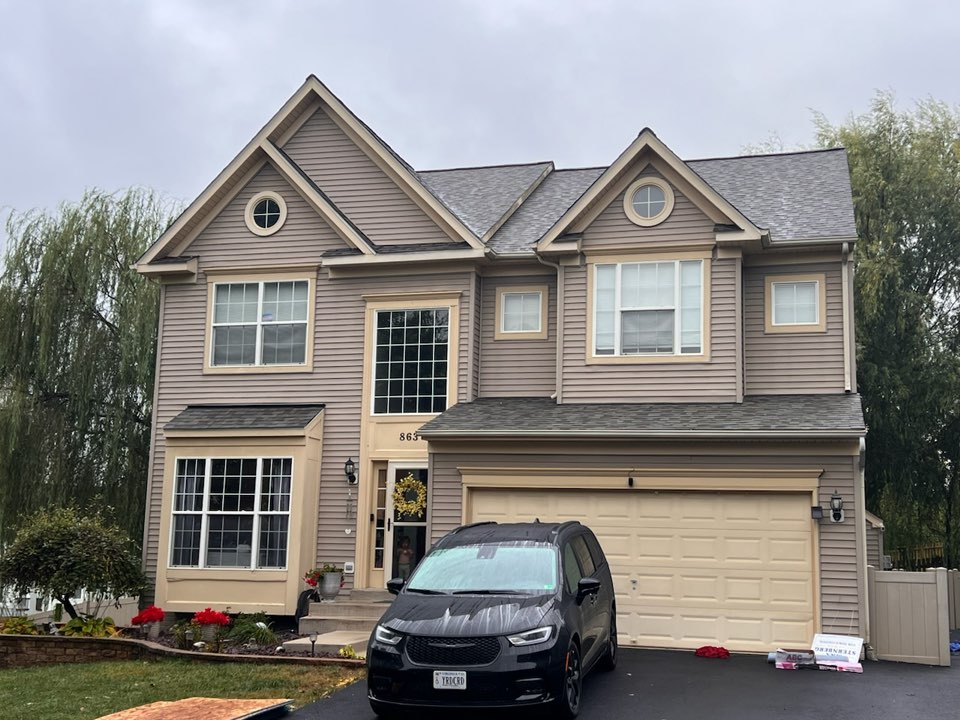
Signs It Is Time to Replace the Siding on Your Warrenton Home

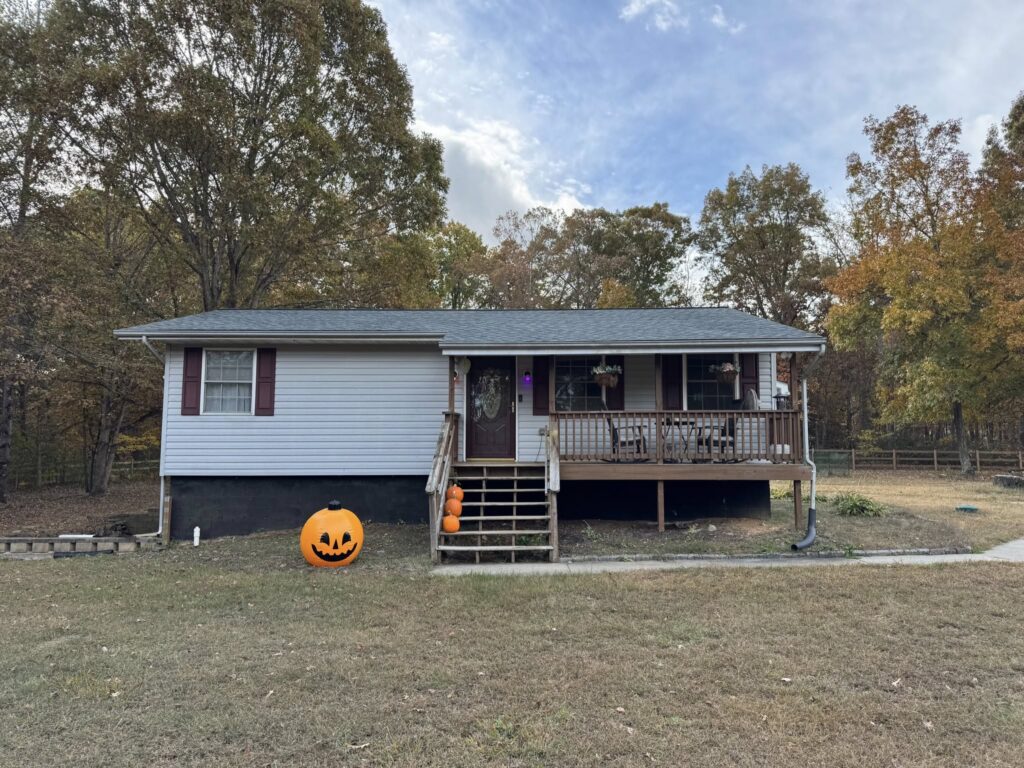
Siding fails slowly, then suddenly. It fades a little each summer, loosens a little in each storm, and then one spring you notice a wall that looks tired, a corner going soft, or a power bill that keeps creeping up for no obvious reason.

Catching the warning signs early is the difference between a straightforward replacement and a rot repair project that reaches into your framing. Here is what Warrenton homeowners should watch for, and how to tell a cosmetic flaw from a failing wall system. Most of these checks take one slow lap around the house with your eyes up.

How do you know when siding needs to be replaced?

Siding needs replacement when problems show up across multiple walls: widespread cracking, warping, bubbling, rot, mold or peeling paint inside the house, rising energy bills, or panels that refuse to stay attached. Isolated damage on one section can usually be repaired, but symptoms across the whole exterior mean the siding is done protecting your home.

That distinction matters because siding is not decoration. It is the shield between Virginia weather and your sheathing, framing, and insulation. When the shield fails, water starts working on the expensive parts of the house. Knowing which category you are in changes the conversation with every contractor who quotes the job.

How do you know when siding needs to be replaced?, Berry Good Builders

Damage you can spot from the curb

Walk the house on a sunny day. Look for cracked or split panels, warping or buckling that throws wavy shadows, sections pulling away from the wall, and seams opening at the corners. On vinyl, watch for chalky fading and panels that feel brittle. On wood siding, press suspicious spots with a screwdriver handle: soft wood is rotten wood, even if the paint on top still looks fine.

Check the details too. Missing or dented pieces after a hailstorm, woodpecker holes, mildew streaks that come back quickly after cleaning, and paint that bubbles or peels within a year or two all point to moisture getting somewhere it should not. South and west facing walls take the hardest sun in our area, so they usually show their age first. Take photos as you walk, since they speed up quotes and give you a baseline to compare against next spring.

Hidden signs showing up inside your home

Some of the loudest siding warnings appear indoors. Peeling paint or bubbling wallpaper on exterior walls means moisture is moving through the wall assembly. Musty smells in certain rooms, mold spots near baseboards, or staining around window trim on outside walls tell the same story from a different angle.

Rising heating and cooling bills are another clue people miss. Failing siding lets air leak through the wall, and it often means the house wrap or insulation behind it has been compromised too. If your HVAC seems to run constantly compared to a few years ago, the walls deserve a hard look right along with the windows and attic. An inspection with thermal imaging can confirm exactly where the wall is leaking energy before anyone commits to a fix.

Hidden signs showing up inside your home, Berry Good Builders

Why Fauquier County weather is hard on siding

Warrenton sits in a climate that tests every material: humid 90 degree summers, repeated freeze and thaw cycles each winter, spring storms that drive rain sideways, and the occasional hail event. Vinyl expands and contracts through every one of those swings, wood swells and dries, and fasteners slowly work loose after decades of movement. Even quality installations loosen up over time under that kind of seasonal stress.

Age compounds the weather. Builder grade vinyl installed in the 1990s and early 2000s is now reaching the end of its 20 to 30 year lifespan across many Fauquier County neighborhoods. If your siding is original to a home from that era and showing several of the symptoms above, replacement is usually the smarter spend than another round of patches.

Repair or replace: making the smart call

Repair makes sense when the damage is isolated: a few storm cracked panels, a single impact spot, a small run of rot caught early. The catch with older siding is matching. Discontinued profiles and sun faded color mean a patch often announces itself from the street, which is fine on a rental and frustrating on your forever home.

Replace when damage spans multiple sides of the house, when moisture is showing up indoors, or when repairs have become an annual ritual. Modern insulated vinyl and fiber cement lines improve energy efficiency and curb appeal in one move, and siding replacement consistently ranks among the strongest remodeling investments for resale value. Many Warrenton homeowners time replacement alongside a roof or gutter project so the whole exterior ages on the same clock.

Bottom Line

Cracks on one panel are a repair. Symptoms across the whole house, or moisture making it indoors, mean your siding has stopped doing its job. An honest inspection settles the question in under an hour. Berry Good Builders inspects and replaces siding across Warrenton and Fauquier County, and we will tell you plainly if a simple repair is all your home really needs.

Related reading: our siding contractor services, Planning a Home Addition in Warrenton, VA: What to Know, How Much Does a Kitchen Remodel Cost in Warrenton, VA

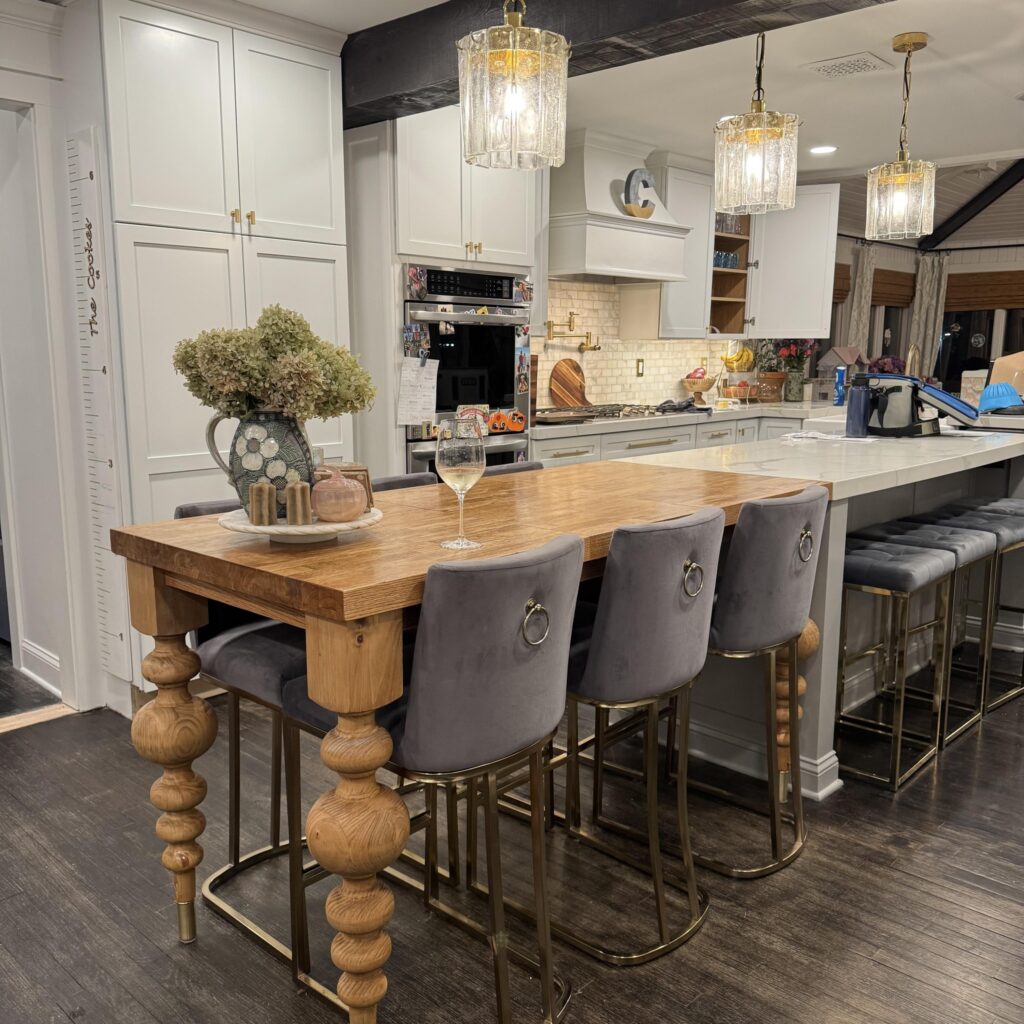
How Much Does a Kitchen Remodel Cost in Warrenton, VA

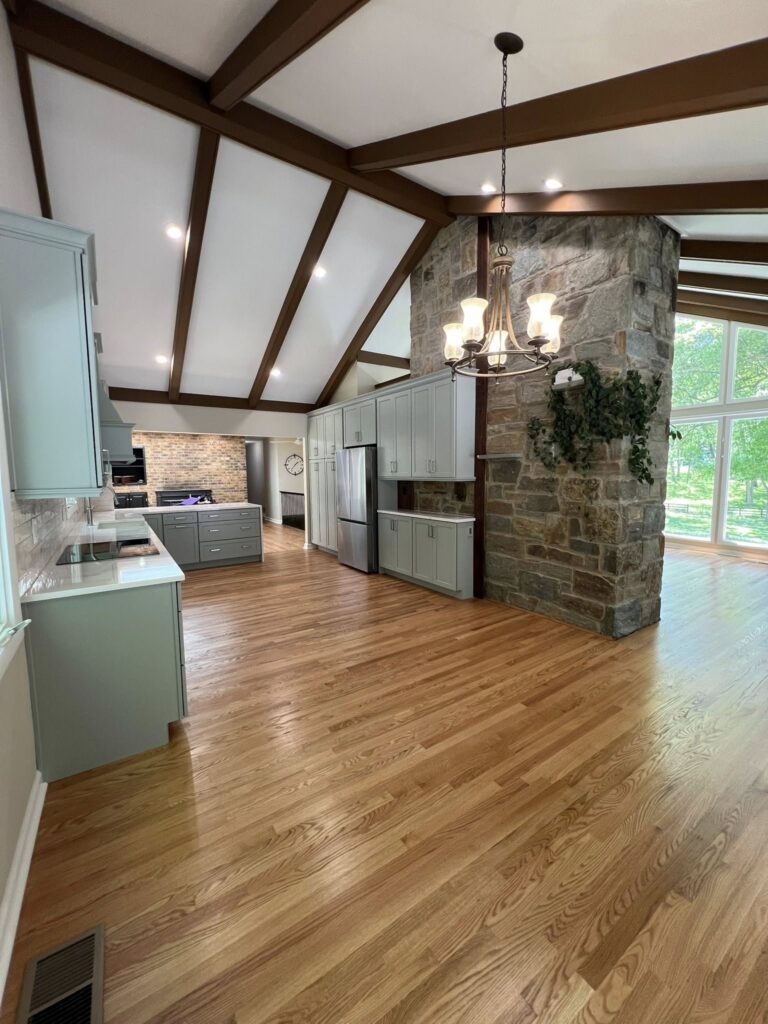
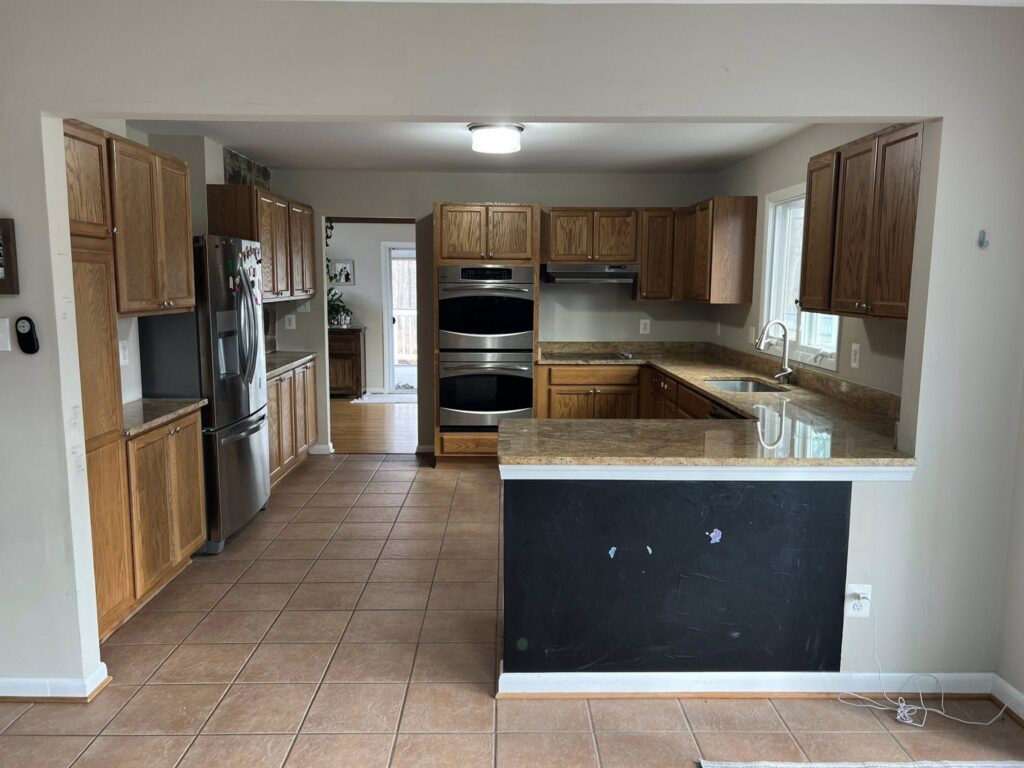
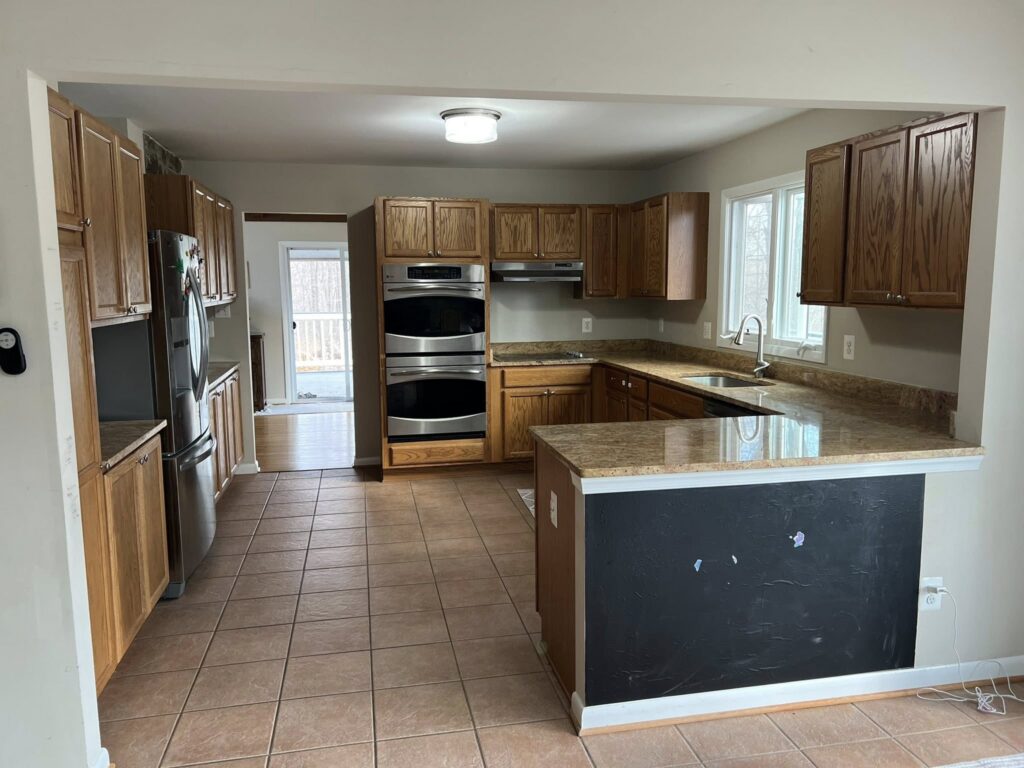
Ask five Warrenton homeowners what their kitchen remodel cost and you will hear five wildly different numbers, from $25,000 to well past $150,000. All of them are telling the truth. Kitchens have the widest cost range of any room in the house.

The good news is that kitchen budgets become predictable once you understand the tiers and where the money actually goes. Here are realistic numbers for our area, and the specific decisions that move them up or down. None of it requires guesswork once you see how the tiers work.

How much does a kitchen remodel cost in Warrenton, VA?

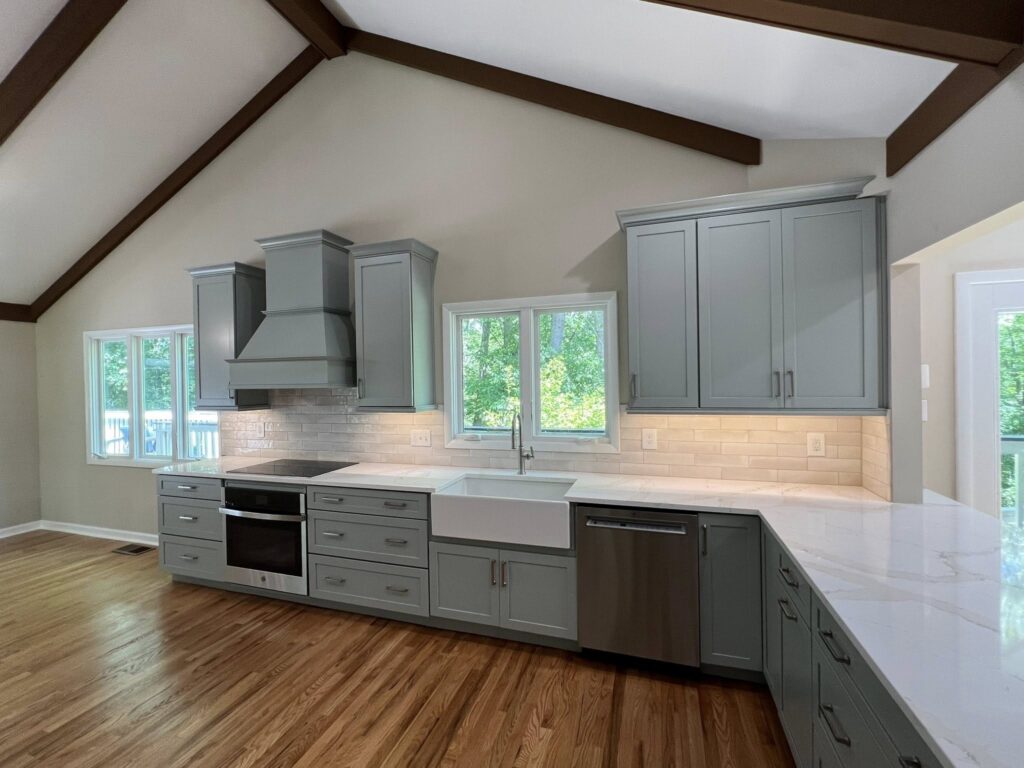
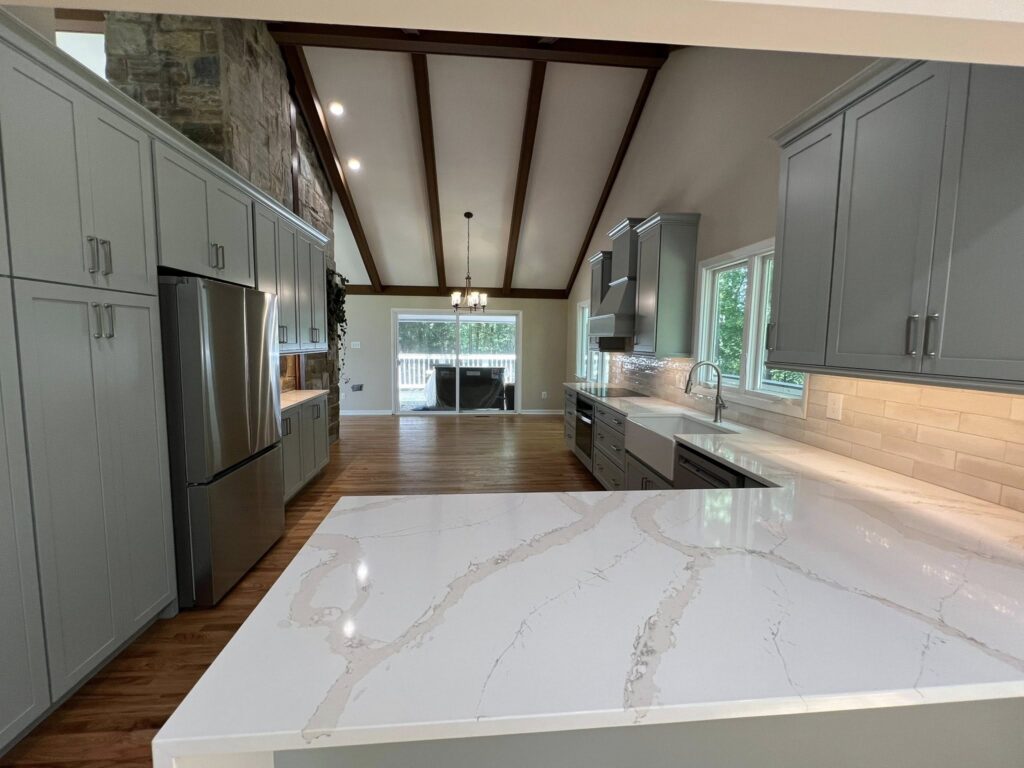
Most full kitchen remodels in Warrenton run between $50,000 and $85,000 for a midrange project with new cabinets, countertops, appliances, and flooring. Cosmetic refreshes typically land between $20,000 and $40,000, while custom kitchens with layout changes regularly climb past $100,000. Prices vary with size, materials, and how much of the kitchen physically moves.

One caution: labor and material costs in Northern Virginia run higher than the national averages you see online, so be careful with numbers from national websites. Local quotes are the only numbers that should shape your plans. The tiers below will help you place your own project before you ever request one.

How much does a kitchen remodel cost in Warrenton, VA?, Berry Good Builders

Kitchen remodel budget tiers explained

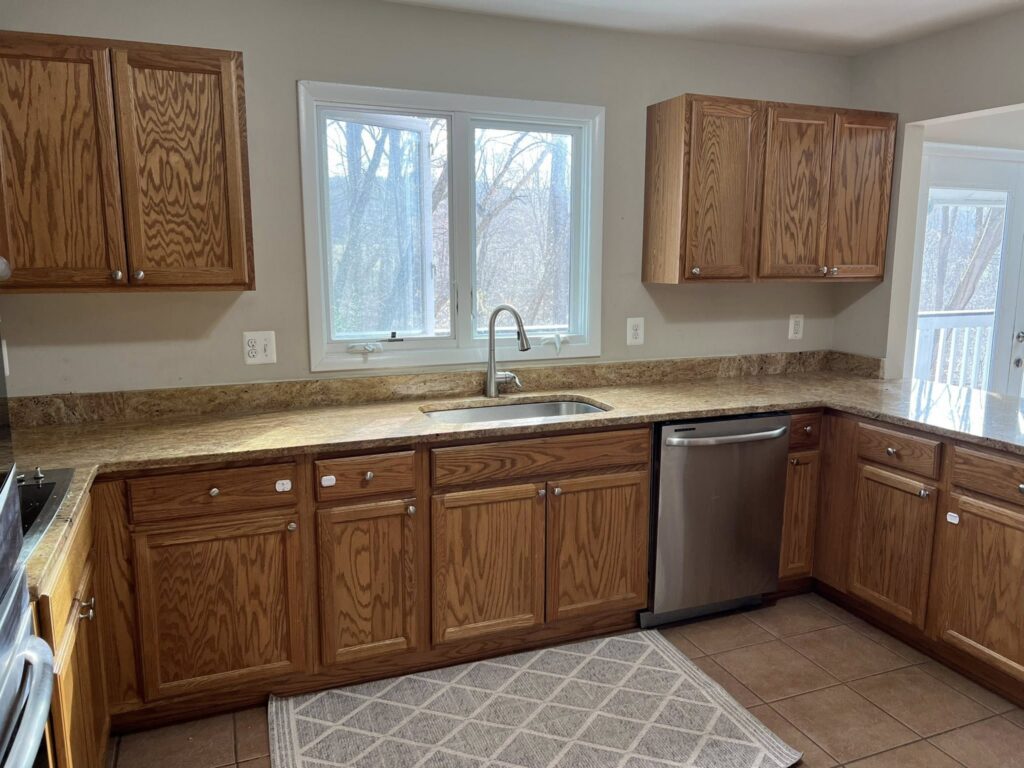
A refresh keeps the layout and the cabinet boxes: repainting or refacing cabinets, new counters and backsplash, updated lighting and hardware, and maybe new appliances. In Warrenton that typically runs $20,000 to $40,000 and delivers a dramatic visual change for the money, especially in kitchens with solid bones. This tier works best when the layout already functions and the cabinet boxes are structurally sound.

A midrange remodel replaces cabinets, counters, appliances, flooring, and lighting within the existing footprint, usually landing between $50,000 and $85,000. The top tier, $90,000 to $150,000 and beyond, brings custom cabinetry, premium appliances, and layout changes like removing walls, relocating plumbing, or adding an island where one never existed. Each tier is a different project, not just a different price. Most projects we quote in Warrenton land somewhere in that middle tier.

Where the money actually goes

Cabinetry is almost always the biggest line item, roughly 25 to 30 percent of the total budget. Labor across all the trades takes another 20 to 25 percent. Appliances, countertops, and flooring split most of the remainder, with plumbing, electrical, drywall, and paint rounding out the total. Design fees, permits, and dumpsters are small slices, but forgetting them is how budgets come up 10 percent short.

This breakdown is why two kitchens the same size can land $45,000 apart. Stock cabinets, quartz counters, and mid tier appliances build one budget. Inset custom cabinetry, a professional range, and natural stone build a very different one. Neither choice is wrong. They are simply different kitchens with different price tags.

Where the money actually goes, Berry Good Builders

What makes a kitchen budget climb

Moving things costs more than replacing things. Relocating the sink, the gas line, or wall ovens pulls plumbers and electricians deeper into the project. Opening the kitchen to the family room adds structural work, and in many Warrenton homes that wall turns out to be load bearing, which means engineering and a beam before a single cabinet is ordered. Islands with sinks or cooktops add plumbing, electrical, and ventilation runs under the floor, which surprises many homeowners.

Older homes add their own plot twists. Houses from the 1970s and earlier often reveal outdated wiring, galvanized plumbing, or floors that need leveling once demolition starts. A 10 to 15 percent contingency keeps those surprises from becoming emergencies, and a contractor who knows Fauquier County housing stock will flag the likely risks during the estimate, not after demo. The older the house, the more valuable that contingency becomes.

How to control your budget without cheaping out

Keep the layout if it works. Leaving the sink, range, and refrigerator where they are saves thousands in trade work and lets your money flow toward the things you touch every day: cabinets, counters, and appliances. Even with every finish upgraded, a same layout remodel usually beats a reconfigured one by a wide margin.

Mix materials strategically. Pair quality stock cabinetry with one showpiece element, like a statement island or a premium range. Choose a quartz that mimics marble instead of the marble itself, and spend intentionally on hardware and lighting, which punch far above their price. Most of all, finish every design decision before demolition begins. Changes on paper are free. Changes mid build never are.

Bottom Line

Plan on $20,000 to $40,000 for a refresh, $50,000 to $85,000 for a full midrange remodel, and six figures for custom work with layout changes in Warrenton. Your exact number depends on materials, movement, and what is hiding in your walls, so get a detailed local estimate before you fall in love with a design. Berry Good Builders remodels kitchens across Warrenton and Fauquier County, and we will walk your space and give you honest numbers before you spend a dollar.

Related reading: our kitchen remodeling services, Planning a Home Addition in Warrenton, VA: What to Know

Planning a Home Addition in Warrenton, VA: What to Know

Warrenton families outgrow their homes for happy reasons: a new baby, parents moving in, a business now run from the kitchen table. Moving means leaving a neighborhood you love and trading into today’s interest rates, so more homeowners across Fauquier County are choosing to add on instead. An addition keeps the school district, the commute, and the mortgage rate while solving the space problem.

A home addition is one of the biggest projects you can take on, and the families who love the outcome are the ones who understood the process before demo day. Here is what to know before you sketch the first wall.

What does it take to build a home addition in Warrenton, VA?

Building a home addition in Warrenton typically takes two to four months of design and permitting followed by three to six months of construction, with most projects costing between $200 and $400 per square foot. The process moves through design, engineering, county or town permits, construction, and a series of inspections.

Those ranges cover everything from a modest family room extension to a full primary suite. Prices vary with site conditions, finishes, and how your existing house connects to the new space, so use them for early planning rather than final budgeting. A site visit turns ranges into real numbers. The biggest schedule variable is almost always decision speed, since late changes ripple through permits, orders, and trades.

What does it take to build a home addition in Warrenton, VA?, Berry Good Builders

Start with how you will use the space

The best additions start with a problem, not a floor plan. Are you short a bedroom? Do you need main level living for aging parents? Is the kitchen the bottleneck at every holiday? Define what the house fails to do today, and let that answer drive the design instead of square footage for its own sake. Write that problem statement down before your first meeting and every decision afterward gets easier.

A good local builder will pressure test your idea against your lot and your budget early. Sometimes a smaller, smarter addition combined with reworking existing rooms beats a bigger footprint entirely, and hearing that in week one can save tens of thousands of dollars and months of construction.

Permits and zoning in Fauquier County

Every addition needs a building permit, issued by Fauquier County or the Town of Warrenton depending on where you live. Before design gets far, you need to confirm zoning setbacks, lot coverage limits, septic and well clearances outside town, and any HOA architectural review your neighborhood requires. In town lots and county lots play by different rules, so confirm which office governs your address before anything else. Skipping this step is how projects get redrawn after money is already spent.

Expect to submit engineered drawings, a plat showing the addition, and contractor information. Plan review commonly takes several weeks, and inspections continue through the build at footing, framing, mechanical, insulation, and final stages. An experienced Warrenton contractor handles the paperwork and schedules the inspectors so the project never sits idle waiting on a signature.

Permits and zoning in Fauquier County, Berry Good Builders

Budgeting for an addition without surprises

Cost per square foot climbs with complexity. Simple sunrooms and family rooms sit near the lower end of the range, bedroom additions land in the middle, and kitchens, bathrooms, and second story additions sit at the top because of plumbing, structural work, and roofline changes. Matching brick, siding, and rooflines so the addition looks original to the house also adds real money, and it is worth every penny at resale.

Build in a contingency of 10 to 15 percent for surprises like hidden wiring, drainage issues, or framing quirks that older Warrenton homes love to reveal. Prices vary from lot to lot and house to house, so insist on a detailed written estimate that separates construction costs, allowances, and site work before you commit to anything. Ask how the allowances were set too, since low allowances are the most common source of sticker shock later.

What the timeline really looks like

Plan on four to eight weeks for design and engineering, two to six weeks for permits, and three to six months of construction depending on the size and season. Additions are sequenced so the new structure gets weathertight before walls open into your living space, and most families comfortably live at home through the entire build.

The Piedmont calendar matters too. Foundations and framing go smoothest in drier stretches, and starting design in winter positions you to break ground in spring. Ask your contractor for a written schedule with milestones, so you always know which trade shows up next and when the dust actually ends. Long lead materials like windows should be ordered the day the design is final, because they quietly control the calendar.

Bottom Line

A Warrenton addition rewards planning: clear goals, early zoning homework, a realistic budget with contingency, and a contractor who manages permits and inspections for you. Get those four things right and an addition becomes a controlled process instead of a leap of faith. Berry Good Builders designs and builds additions across Warrenton and Fauquier County, and a conversation about your project costs you nothing.