
Roofing vs Siding: Which Exterior Project Comes First
Your roof is tired, your siding is faded, and the budget will not stretch to both this year. Every Warrenton homeowner in that spot asks the same question: which project goes first? It is one of the most common questions we hear on estimates across Fauquier County.
The order matters more than most people expect. Sequence it right and each project protects the other for decades. Sequence it wrong and your brand new siding gets scuffed and dented by a roofing crew six months later. Here is how to decide.
Should you replace the roof or the siding first?
Replace the roof first in most cases. Roofing work drops debris and requires ladders and foot traffic that can damage new siding, and components like drip edge, step flashing, and gutters integrate best when the roof is finished before siding goes on. The exception is active siding failure: if water is getting into your walls, stop that first.
Think of your house as a system that sheds water from the top down. Rebuilding it in that same order keeps every layer overlapping the one below it exactly the way the manufacturers intended. Get the order right and the flashing, housewrap, and trim all lap the way they were engineered to.
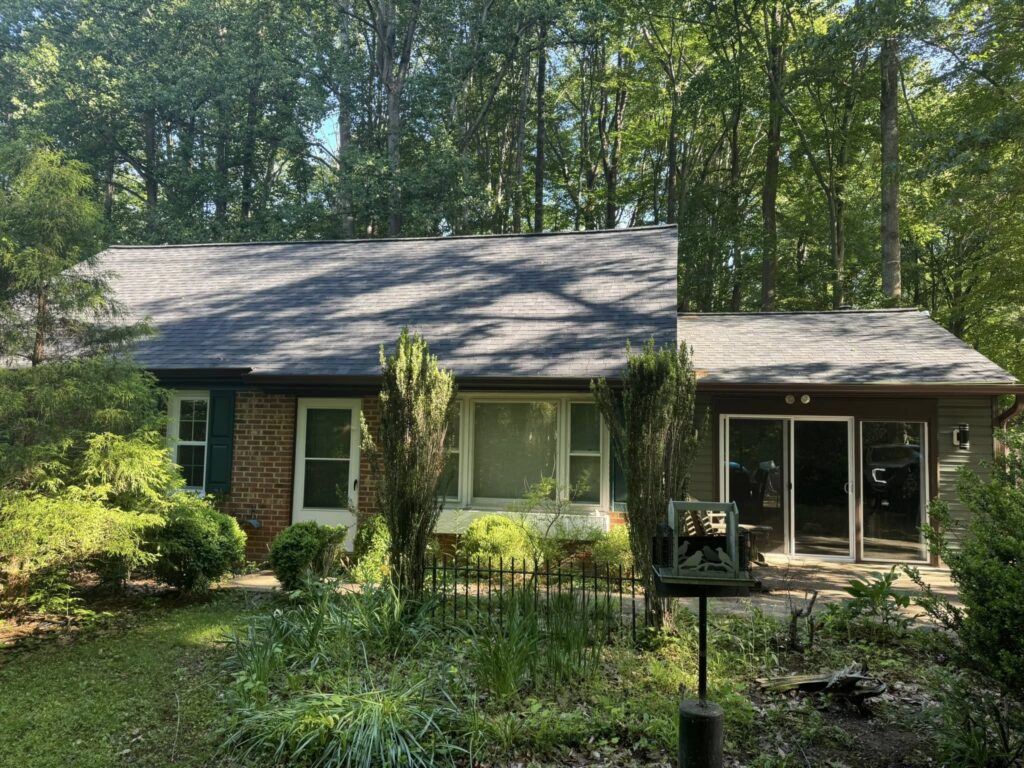
Why the roof usually wins
A roof replacement is a rough process for everything beneath it. Shingle tear off rains debris along every eave, crews work from ladders leaned against your walls, and gutters often come down and go back up during the job. Fresh siding in the middle of that environment is going to collect scars you paid too much to accept. Even careful crews cannot fully protect finished walls from a tear off happening directly above them.
The integration points matter even more than the traffic. Step flashing, where a roof slope meets a sidewall, is designed to tuck neatly behind the siding above it. Install the roof first and the siding crew laps everything correctly over the new flashing. Install siding first and the roofer has to fish flashing behind finished walls, which invites leaks, callbacks, and warranty arguments nobody wins. That one detail is why exterior pros sequence the roof before the walls.
When siding should jump the line
Siding goes first when it has already stopped keeping water out. Rotted panels, gaps opening around windows, mold inside exterior walls, or sheathing going soft mean moisture is actively damaging the structure. A cosmetic roof concern can wait a season. Water inside your walls cannot wait at all. A moisture meter reading during an estimate can confirm whether intrusion is active in a single visit.
Storm damage also rewrites the order. If wind or hail hit your siding and an insurance claim is covering replacement, the claim timeline drives the schedule. In that case, have your contractor protect the new siding during the later roof project and coordinate the flashing details between the two phases so nothing gets sealed up wrong. Photograph everything before storm repairs begin, since adjusters lean heavily on documentation.
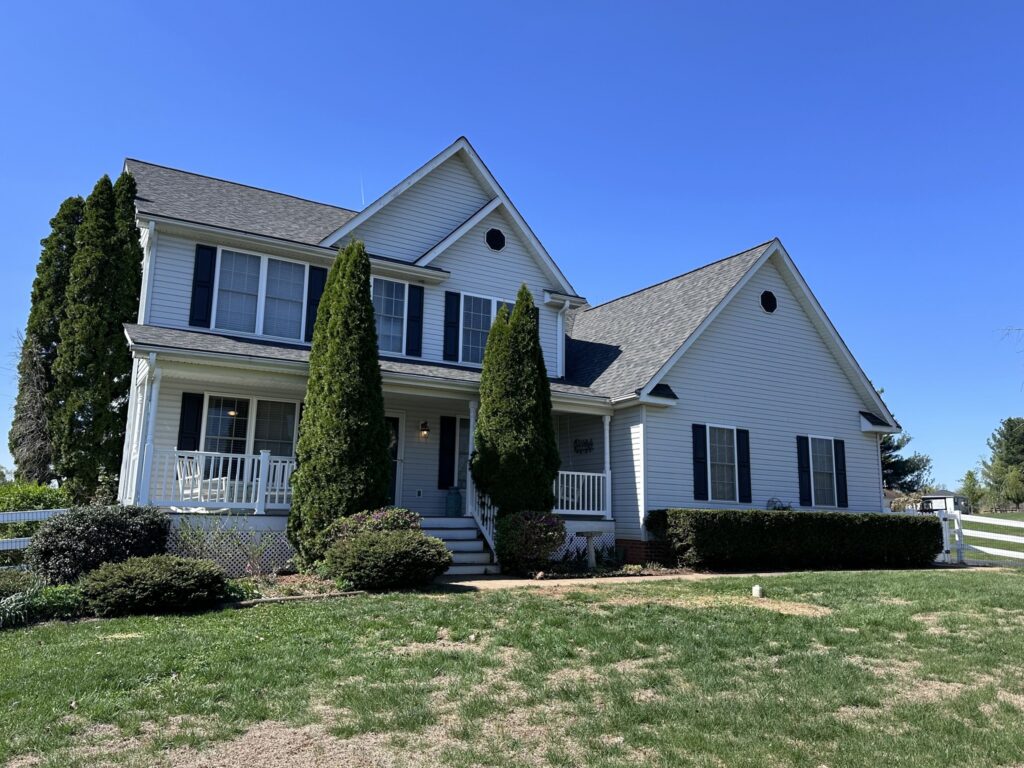
The case for doing both at once
If the budget allows it, replacing roofing and siding in one coordinated project is the cleanest solution of all. You get one mobilization, one debris and dumpster plan, and one crew responsible for how every piece of flashing and trim ties together. When a single company owns the whole envelope, there is no finger pointing later if something leaks. Your warranties also live in one place, which future you will appreciate.
It is also a design opportunity. Choosing shingle and siding colors together gives the house one cohesive look instead of matching new siding to a fading roof. Combined projects often price better than two separate ones too, since setup and overhead costs get shared across the larger scope. Ask for the combined price and the phased price and compare them side by side.
Timing the work around Virginia weather
In the Warrenton area, roofing and siding install well most of the year, but each season has a personality. Spring brings storms and packed schedules, summer heat helps shingles seal down fast, and fall offers the steadiest installation weather of the whole year. Good contractors book those prime windows early.
Winter work is absolutely possible with the right products and precautions, and scheduling in the slower season can shorten your wait considerably. Whatever the month, a local contractor who watches Fauquier County weather windows will sequence tear off days so your home is never left exposed overnight.
Bottom Line
Roof first is the rule, siding first is the exception for active water damage, and both together is the best answer whenever the budget cooperates. The real key is one plan that treats your exterior as a single water shedding system instead of two disconnected projects. Berry Good Builders handles roofing, siding, and complete exteriors across Warrenton, and we can walk your home and map the right order for your situation.
Related reading: our roofing contractor services, Signs It Is Time to Replace the Siding on Your Warrenton Home, How to Choose a Remodeling Contractor in Warrenton, VA


