
Vinyl vs Fiber Cement Siding: Which Belongs on Your Home
When Warrenton homeowners get serious about new siding, the conversation almost always narrows to the same two finalists: vinyl and fiber cement. Wood demands too much upkeep for most families, and everything else is a niche product. These two materials dominate for good reasons.
They just dominate in different ways. Vinyl wins on price and simplicity, fiber cement wins on toughness and presence, and the right pick depends on your budget, your timeline in the house, and the look you are after. Here is the comparison we walk through on estimates across Fauquier County.
Which is better, vinyl or fiber cement siding?
Vinyl is better when budget leads the decision: it costs meaningfully less installed, never needs paint, and modern insulated panels perform far better than the vinyl of the 1990s. Fiber cement is better when durability and appearance lead: it resists fire, hail, and pests, holds crisp painted color, and delivers a premium wood like look that vinyl approximates but does not match.
Both protect a home well when installed correctly. The honest differences live in maintenance style, curb appeal, and what you pay on day one.
What each material actually is
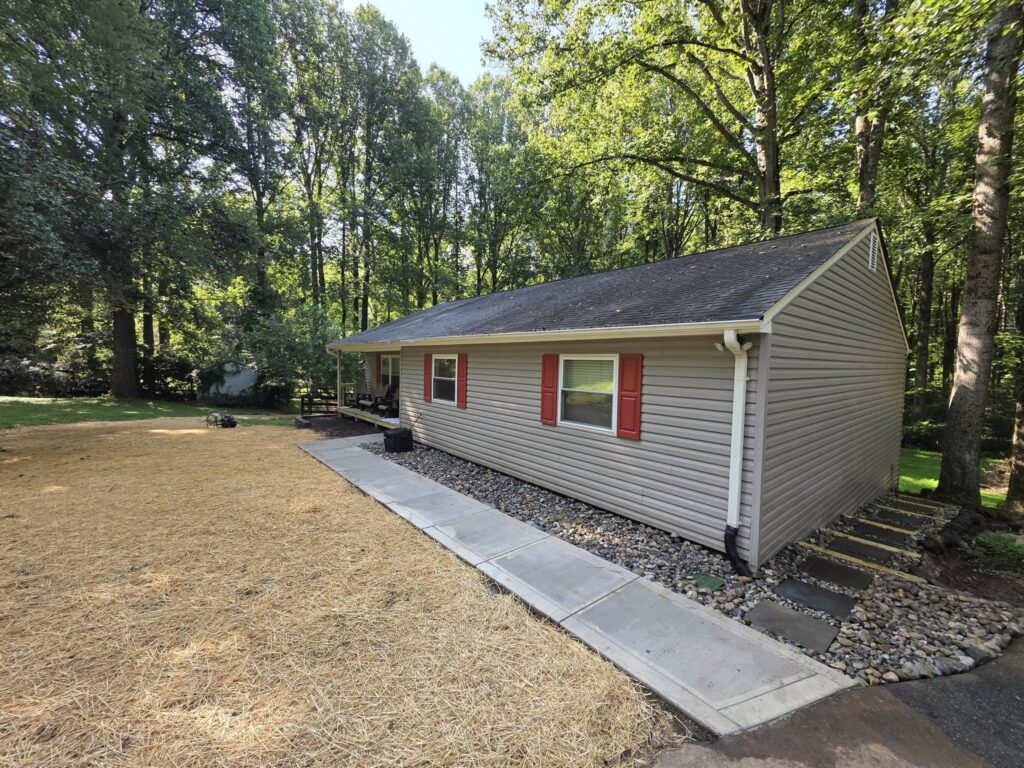
Vinyl siding is PVC formed into interlocking panels that hang on the wall with room to expand and contract as temperatures swing. Color runs through the material, so scratches do not show a different shade underneath, and there is nothing to repaint, ever. Today’s panels are thicker and more rigid than the builder grade vinyl on many older Fauquier County homes, and insulated versions add a foam backing that stiffens the panel and quiets the wall.
Fiber cement is a composite of cement, sand, and cellulose fiber pressed into boards that install more like traditional wood siding. It arrives either primed for painting after installation or factory finished with baked on color. The material is heavy and unforgiving to install, which is not a knock, it is a warning: fiber cement performs beautifully when cut, gapped, flashed, and fastened exactly to spec, and it punishes sloppy crews. With this product, the installer is as important as the brand.
Durability in Fauquier County weather
Our climate swings from humid 90 degree summers to freeze thaw winters, with wind driven spring storms and occasional hail in between. Vinyl handles moisture effortlessly and never rots, but it has personality quirks: panels can crack on impact in bitter cold, strong hail can leave its signature, and dark colors on older formulations fade noticeably after years of southern exposure. Extreme heat is its other enemy, and a grill placed too close to a vinyl wall has taught more than one homeowner that lesson.
Fiber cement is simply harder to hurt. Hail that dents aluminum and cracks vinyl usually bounces off, it will not ignite, woodpeckers and insects have no interest in it, and it stays dimensionally stable through every freeze thaw cycle. Its one demand is paint film maintenance over the years and correct clearances at installation so boards never wick moisture. Meet those conditions and fiber cement routinely runs decades, which is why it carries some of the longest warranties in the category.
Maintenance and the years between
Vinyl’s pitch is the shortest maintenance list in siding: an annual rinse with a garden hose or soft wash to knock down grime and mildew, and that is essentially the whole program. There is no painting, no caulking schedule, no film to maintain. The tradeoff is that you live with the color you chose until you replace the siding, and a badly faded or damaged wall usually means new panels rather than a touch up.
Fiber cement asks more and gives more. Factory finishes commonly hold color well past a decade, and repainting every 12 to 15 years refreshes the entire exterior for a fraction of replacement cost, in any color you want. That is a real advantage for homeowners who like the option to evolve the house’s look. Budget honestly for that future paint cycle, and check caulked joints as the years pass. Households that want zero exterior chores should weigh that difference seriously.
Curb appeal, value, and neighborhood fit
Up close, fiber cement wins the beauty contest. The boards are flat, rigid, and shadowed like real wood clapboard, corners and trim details look substantial, and painted color has a depth vinyl cannot quite reach. On historic streets near Old Town Warrenton and on higher value homes across Fauquier County, that authenticity pays off both in daily satisfaction and buyer impression. Remodeling value studies consistently rank fiber cement siding among the strongest exterior investments.
Vinyl’s case is value density. Quality vinyl with good trim work looks clean and correct from the curb, matches most neighborhoods effortlessly, and leaves budget on the table for the roof, gutters, or windows that may also be on the list. Insulated vinyl adds an efficiency story to the appraisal too. If the house around you is entirely vinyl clad, matching the street with a better grade of the same material is often the smartest money.
Bottom Line
Vinyl is the budget friendly, zero paint workhorse, and fiber cement is the tougher, better looking investment that rewards a longer stay. Both succeed or fail on installation quality, which makes your contractor choice bigger than your material choice. Berry Good Builders installs both across Warrenton and Fauquier County, and we will walk your exterior, show samples on your actual walls, and price both paths so you can decide with real numbers.
Related reading: our siding contractor services, Can You Remove That Wall? Load Bearing Walls Explained, Asphalt Shingles vs Metal Roofing: Which Is Right for Your Home


