
How Long Does a Roof Last in Virginia?
Every roof has an expiration date, and almost nobody knows the one over their head. Homeowners in Warrenton usually inherit a roof with the house, file away a vague guess about its age, and hope the question stays theoretical until further notice.
Knowing the real number changes everything. It tells you whether that stain on the ceiling is a repair or a warning, whether to fix hail damage or claim it, and when to start budgeting so a replacement is a plan instead of an emergency. Here is how long roofs actually last in our climate, and what moves the number.
How long does a roof last in Virginia?
Architectural asphalt shingles, the most common roof in Virginia, typically last 20 to 28 years in our climate even when the packaging says 30. Basic three tab shingles run 15 to 20 years, metal roofs deliver 40 to 70, and premium materials like slate and tile can pass a century. Weather exposure, attic ventilation, and installation quality decide where within those ranges your roof lands.
Treat the label rating as a ceiling, not a promise. Virginia sun, storms, and freeze thaw winters collect their toll from every roof.
Lifespan by material in our climate
Asphalt dominates Warrenton neighborhoods, and its tiers matter. Three tab shingles, the flat, single layer economy option common on older homes and rentals, realistically give 15 to 20 years here. Architectural shingles, the thicker laminated standard on most homes built or reroofed in the last two decades, deliver 20 to 28 dependable years, with premium designer lines stretching toward 30. If you are unsure which you own, the shadow line tells you: dimensional texture means architectural, flat uniformity means three tab.
Metal residential roofs run 40 to 70 years depending on the system, with standing seam at the top of the range. Cedar shake offers 25 to 35 years in exchange for real maintenance, and slate and clay tile play in another league entirely, 75 years and up, on structures framed to carry them. For most Fauquier County homeowners, the practical decision lives between architectural asphalt and metal, which is a timeline and budget conversation more than a quality one.
What Virginia weather does to a roof
Our roofs work all four seasons. Summer bakes shingles with 90 degree heat and high UV, slowly drying the asphalt oils that keep them flexible, and south and west slopes age fastest for exactly that reason. Winter brings the freeze thaw cycle, where moisture works into tiny gaps, expands as ice, and pries at shingles, flashing, and nail heads dozens of times per season. Spring and summer storms add wind lift and the occasional hail bruising that quietly knocks years off a roof.
Humidity plays the long game. Algae streaking, those dark stains running down so many shaded Virginia roofs, is mostly cosmetic but signals moisture lingering on the surface, and moss at the edges holds water directly against the shingles. Trees hanging over the roof concentrate all of it: shade, debris, damp, and dropped limbs. A roof on an open, sunny lot and the same roof under mature oaks can age a decade apart in the same zip code.
The silent factors: ventilation and installation
Plenty of roofs die young from the inside. An attic without adequate airflow traps summer heat, and a 140 degree attic cooks shingles from underneath while the sun works from above. In winter, that same trapped warmth and moisture feeds ice dams at the eaves and condensation on the roof deck. Balanced intake at the soffits and exhaust at the ridge keeps the deck cool and dry, and it is one of the cheapest life extenders a roof can get. If your upstairs runs hot every summer, the roof may be paying the same price.
Installation quality is the other invisible variable. Correct nail placement and count, proper flashing at chimneys, walls, and valleys, ice and water protection where our climate demands it, and manufacturer spec underlayment separate a roof that reaches its potential from one that fails at year twelve. Two identical shingle bundles can produce a 15 year roof or a 28 year roof depending on the crew. This is why the contractor question matters more than the brand question.
Signs your roof is near the end
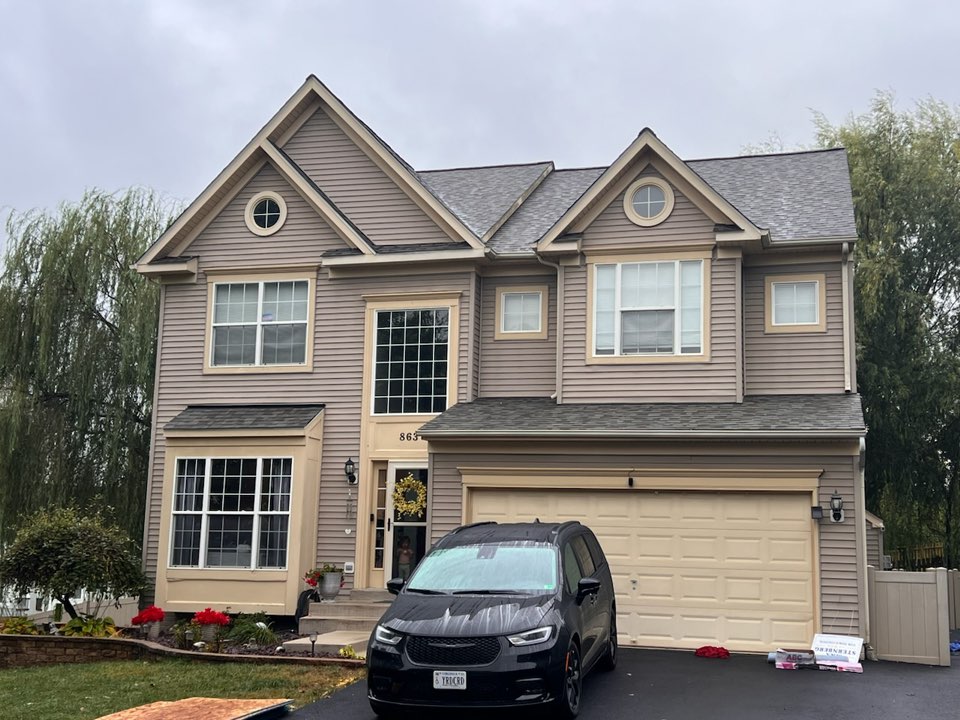
Age math comes first: an architectural roof past 20, or a three tab past 15, has entered its window, and every symptom deserves more suspicion. From the ground, look for curling or cupped shingle edges, bald patches where granules have worn away, missing shingles after storms, and gutters filling with granules, which is a roof shedding its armor. Sagging lines, daylight in the attic, and recurring ceiling stains escalate the conversation from repair to replacement.
The repair or replace call usually follows a simple rule. Isolated damage on a roof with years left is worth repairing, while repeated repairs on an aging roof are payments on a decision already made. A professional inspection settles it with evidence: photos, remaining life estimates, and a straight answer about whether storm damage justifies an insurance conversation. Getting that inspection in fall, before winter tests everything, is the smart season for it.
Bottom Line
Plan on 20 to 28 years from architectural shingles in Virginia, 15 to 20 from three tab, and 40 plus from metal, with ventilation, weather exposure, and installation quality writing the fine print. If your roof is inside its final stretch or shedding warning signs, get real answers before winter makes the decision for you. Berry Good Builders inspects roofs across Warrenton and Fauquier County and will tell you honestly whether yours needs a repair, a replacement, or just more time.
Related reading: Asphalt Shingles vs Metal Roofing: Which Is Right for Your Home, Vinyl vs Fiber Cement Siding: Which Belongs on Your Home


